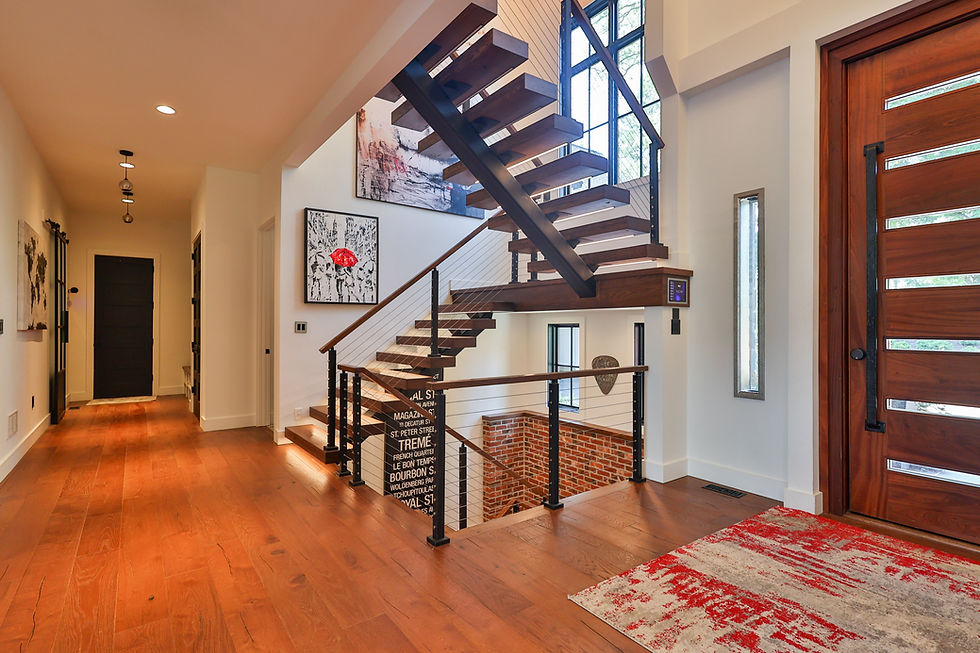
Staircase Styles Through the Decades: A Historical Perspective

Staircase Styles Through the Decades: A Historical Perspective
The staircase is often the centerpiece of a home's interior, providing function and aesthetic appeal. Over the years, staircase designs have evolved dramatically, reflecting broader architectural trends and cultural influences. In this article, we will explore the prominent staircase styles from each decade, illustrating how they contribute to our homes today and how companies like Bilger Railing & Stairs can help you achieve your desired look.
The 1920s – Art Deco Elegance
The roaring twenties brought about the Art Deco movement, characterized by bold geometric shapes and rich materials. Staircases from this era often featured intricate metalwork and luxurious finishes, making a statement in lavish parlors and grand halls.
Use shiny railings with geometric patterns.
Consider a grand staircase design for a focal point.
The 1960s – Mid-Century Modern
Mid-century modern designs emphasized simplicity, organic forms, and a connection to nature. Staircases often featured open formats, with materials like wood taking center stage.
Opt for a combination of wood and metal for a contemporary look.
Incorporate open risers to enhance light flow.
The 1980s – Traditional Revival
With a backlash against the minimalism of the previous decade, the 1980s saw a resurgence in traditional and classical styles. Staircases were often ornate, featuring detailed balusters and rich wooden finishes.
Choose rich, dark woods and intricate designs for balusters.
Install handrails with decorative elements to add class.
The 2000s – Modern Minimalism
The early 21st century embraced clean lines, simplicity, and functionality. Stairs became sculptural elements within homes, often using materials like glass and steel. Floating staircases gained popularity, offering a unique visual experience.
Consider glass railing systems for an open feel.
Utilize cantilever designs for a floating effect.

Incorporating Historical Design into Your Home
Understanding the history of staircase design can greatly inform your choices as a homeowner. Whether you prefer the elegance of Art Deco or the simplicity of modern styles, your staircase can reflect your personal taste and the era you admire.
Bilger Railing & Stairs offers numerous options to customize your staircase, ensuring it meets both aesthetic desires and safety regulations. Here are some actionable steps to consider:
Assess your space: Evaluate your home’s design elements to find what staircase style complements it best.
Consult with experts: Reach out to professional staircase designers or builders like Bilger Railing & Stairs for guidance tailored to your needs.
Stay informed on trends: Keep an eye on architectural trends to ensure your staircase remains timeless yet trendy.

Staircase styles through the decades offer a fascinating glimpse into our architectural history. By understanding these designs and trends, you can make informed decisions about your home renovation projects. Collaborating with professionals like Bilger Railing & Stairs can help bring your vision to life, ensuring that your staircase complements both the historical legacy and modern functionalities of your home.