

Mastering Your Staircase Layout: A Comprehensive Guide to Staircase Landings
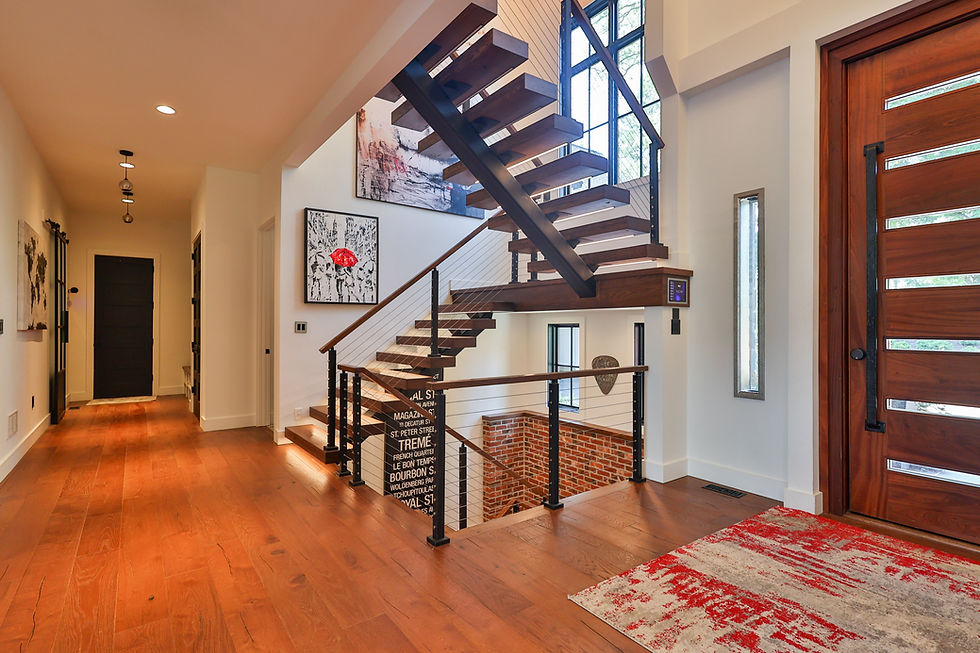
The Importance of Strategic Staircase Planning
When embarking on a home renovation or a new construction project, the staircase is often viewed solely as a functional element—a means to get from one floor to another. However, at Bilger Railing & Stairs, we view the staircase as a pivotal architectural feature that defines the flow and character of a home. A critical, yet often overlooked, component of stair design is the landing. Whether you are dealing with a tight residential floor plan or a grand entryway, understanding the different types of landings is essential for both safety and design success.
Mark Bilger, our Level 1 Stair Code Certified expert, emphasizes that proper planning is the most vital step before framing begins. By carefully selecting the right landing configuration, you can enhance comfort, ensure code compliance, and significantly increase the visual appeal of your home.
Understanding the Role of the Staircase Landing
A landing is essentially a platform between flights of stairs. It serves several purposes: it provides a resting point for the user, it changes the direction of the stairs, and it acts as a critical safety feature that helps break up long, exhausting runs of steps. For builders, architects, and homeowners, selecting the correct landing is not just about aesthetics; it is about adherence to local building codes and optimizing the available square footage of the property. At Bilger Railing & Stairs, we help you navigate these complex requirements, ensuring that every design choice meets safety standards while fulfilling your stylistic vision.

Common Types of Staircase Landings
There are several types of landings, each offering distinct advantages depending on your space and design goals. Understanding these types will help you communicate more effectively with your staircase contractors.
The Intermediate Landing
Also known as a mid-run landing, this is a platform placed between two flights of stairs that are traveling in the same or opposite directions. It is the most common type of landing used to break up long staircases, making them safer and more comfortable to navigate. An intermediate landing is crucial if your staircase exceeds the maximum vertical rise permitted by code before a break is required.
The 'L' Landing (Quarter-Turn Landing)
The L-shaped landing is a fantastic solution for corners. It features a ninety-degree turn, which makes it ideal for maximizing space in homes where a straight flight of stairs simply won't fit the footprint. This design adds an element of visual interest and can be used to create a natural transition between different levels of a home, especially when integrated with custom wood railings that tie the design together.
The 'U' Landing (Half-Turn Landing)
For homes requiring a 180-degree turn, the U-shaped landing is the go-to configuration. This is often seen in split-level homes or stairwells designed for efficiency. While these landings require a larger overall footprint than a straight staircase, they offer a dramatic architectural impact. At Bilger Railing & Stairs, we have extensive experience crafting custom wood winders and landings that integrate seamlessly with your existing interior decor.
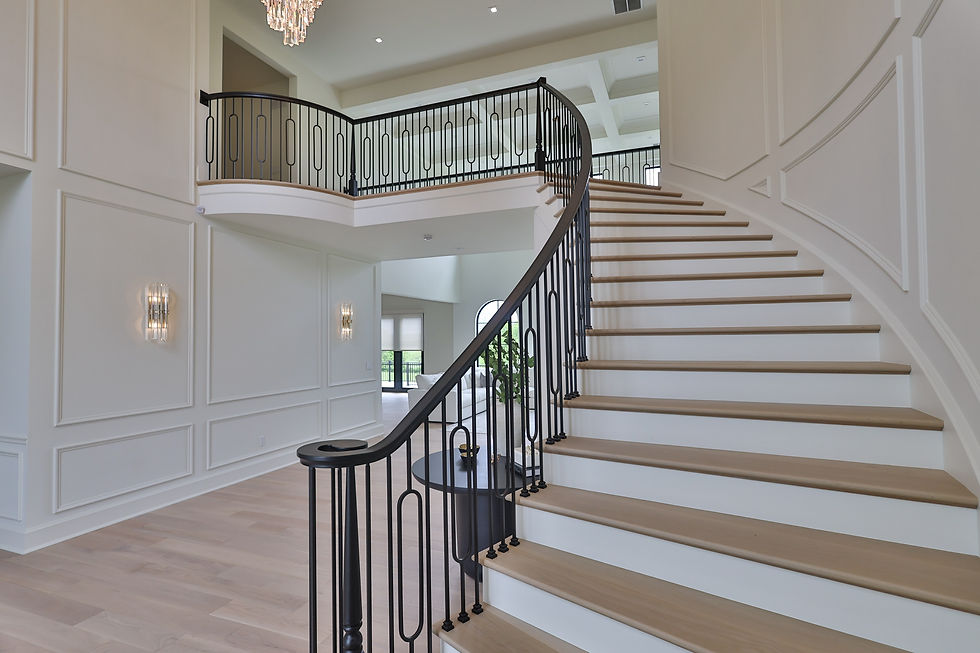
Design Considerations and Code Compliance
When incorporating a landing, the primary factor must always be safety. Building codes are very specific about the dimensions and placement of landings to prevent tripping hazards. Mark Bilger’s certification ensures that every staircase we design—from the initial print review to the final installation—is fully compliant. We do not just build stairs; we engineer them for longevity and safety.
Furthermore, the material you choose for your landing should be consistent with the surrounding staircase. Whether you are using hardwoods to match existing flooring or incorporating specialized treads, Bilger Railing & Stairs provides a wide variety of wood species to ensure a cohesive look. A landing is not just a platform; it is an opportunity to showcase craftsmanship through detailed trim work, custom balusters, and elegant handrails.
Why Professional Consulting Matters
Designing a staircase is a complex puzzle that involves structural integrity, local code compliance, and aesthetic harmony. Many common design mistakes arise from failing to account for landing size relative to the stair width or the surrounding walls. By choosing professional guidance early in your project, you avoid costly retrofits and ensure that your home’s flow is optimized from day one. If you are planning a renovation, contact the experts at Bilger Railing & Stairs. We offer the professional consulting and design expertise necessary to ensure your staircase becomes a highlight of your home rather than an afterthought. Let us help you plan the perfect landing to elevate your space.


