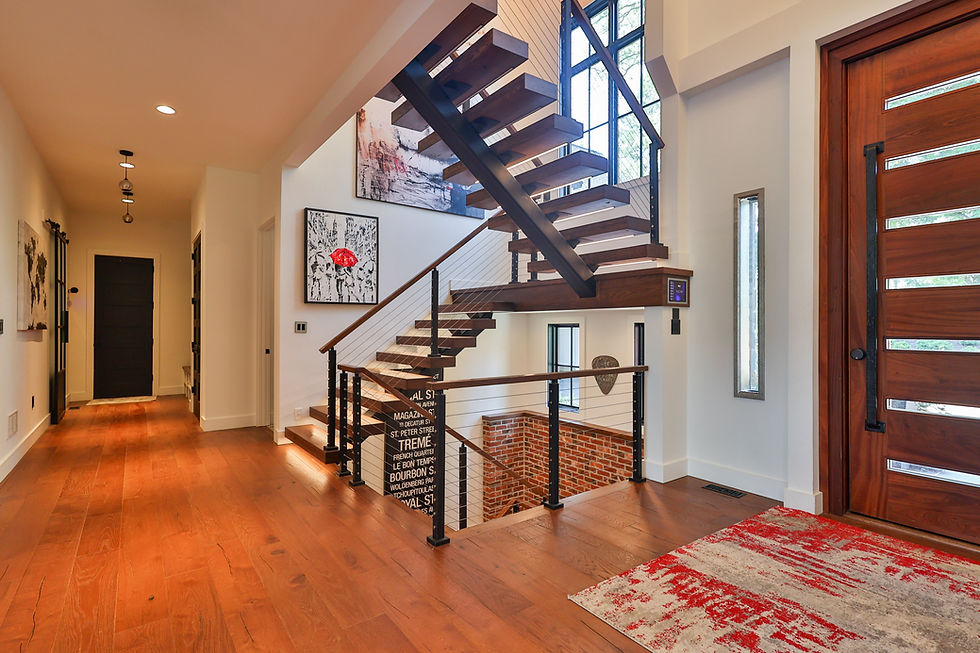
The Ultimate Staircase Design Checklist: Key Elements to Consider
When it comes to designing a staircase, several key elements come into play that determine its aesthetics, functionality, and safety. At Bilger Railing & Stairs, we understand the importance of a well-designed staircase as a focal point of your home. This comprehensive checklist will guide homeowners through the essential considerations to ensure that every aspect of their staircase meets their needs and adheres to industry standards.

Understanding Your Space
The first step in staircase design is to understand the space available. Consider the following factors:
Height and Width: Measure the total height from the lower floor to the upper landing and the width of the staircase.
Foot Traffic: Consider how many people will use the staircase regularly and if they will be moving furniture or large items up and down.
Layout: Decide on the layout: straight, L-shaped, U-shaped, or spiral. Each has its own impact on space usage.
Choosing the Right Materials
The materials you choose for your staircase affect both its appearance and durability. At Bilger Railing & Stairs, we recommend considering:
Wood: Offers warmth and a traditional aesthetic, available in various species like oak, maple, or cherry.
Metal: Provides a modern finish, often used for railings and treads; steel and aluminum are common choices.
Glass: Creates an open, airy feel and is often paired with metal elements for a contemporary style.
Prioritizing Safety and Functionality
Safety must always be a priority when designing your staircase. Consider the following:
Tread Depth and Riser Height: Comply with local building codes for appropriate tread depth (typically 10-11 inches) and riser height (usually 7-8 inches).
Handrails and Balustrades: Ensure handrails are installed at a height of 34-38 inches and are sturdy enough to provide support. Balustrades should prevent any gaps that could lead to accidents.
Lighting: Incorporate adequate lighting to illuminate the staircase, making it safer to navigate at all times of the day.
Aesthetic Considerations
Your staircase should reflect your personal style while complementing your home's overall design. Here are some aesthetic considerations:
Color Scheme: Choose a color palette that harmonizes with your interior decor.
Design Style: Whether contemporary, traditional, or rustic, choose features that align with your preferred aesthetic.
Unique Features: Consider adding unique design elements like decorative balusters, custom riser patterns, or integrated lighting for personalization.

Consider Maintenance and Longevity
Maintaining your staircase’s beauty and functionality over time requires careful material selection and design. Keep in mind:
Material Durability: Choose durable materials that can withstand wear and tear, especially if the staircase sees heavy traffic.
Surface Treatments: Consider finishes and treatments that enhance resilience against scratches, stains, and fading.
Regular Maintenance Schedule: Establish a routine for cleaning and inspection to preserve the appearance and safety of your staircase.
Designing a staircase can be an exciting yet intricate process. By following this checklist, homeowners can make thoughtful decisions that enhance aesthetics, safety, and functionality. At Bilger Railing & Stairs, we specialize in providing custom staircase solutions that meet your specific needs, ensuring that your home's centerpiece is both beautiful and safe. If you're ready to start designing your ideal staircase, contact us today for expert guidance and high-quality craftsmanship.